Cookie Consent Options
  • Two children exploring a mud kitchen
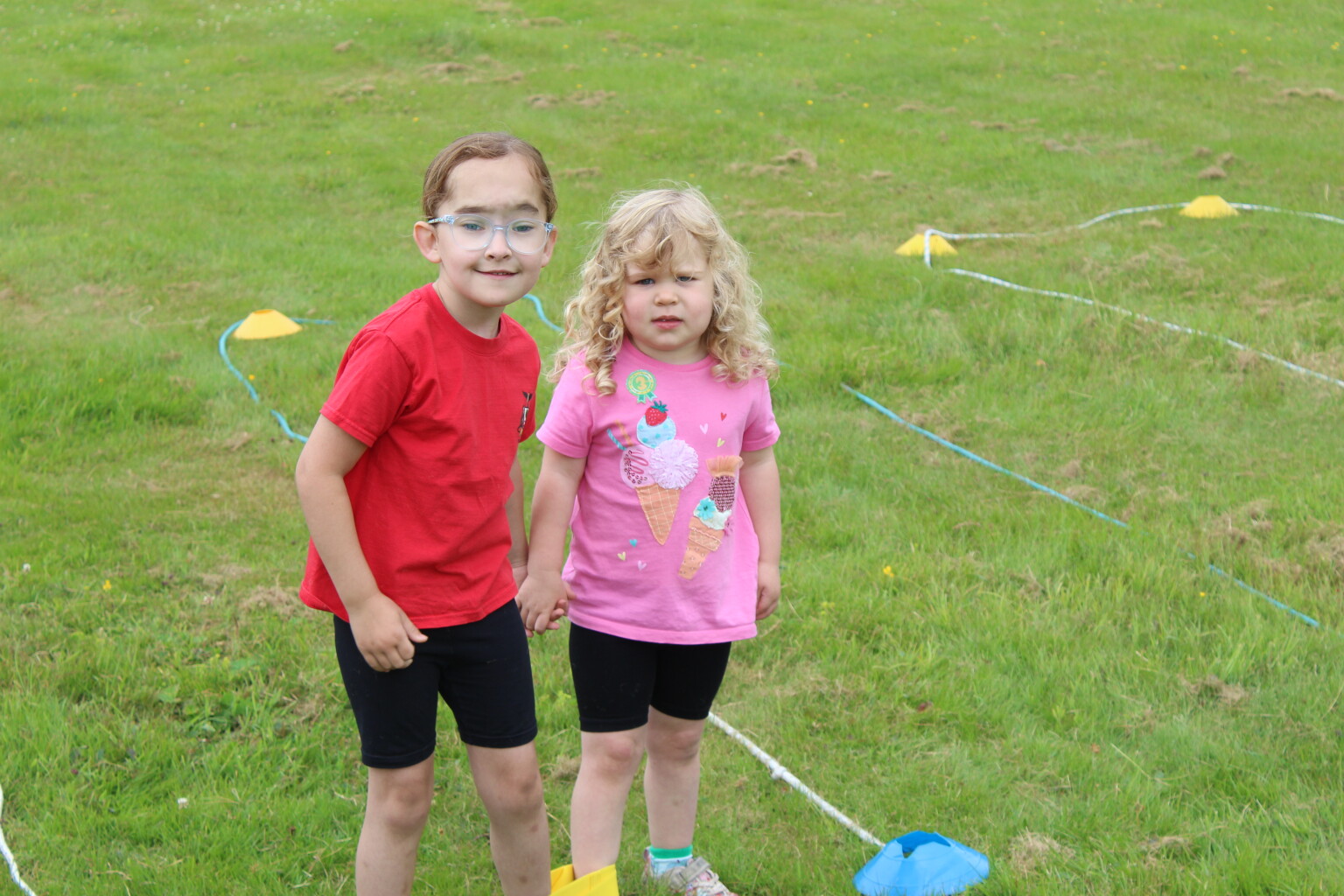
  • Child smiling at the camera
  • Two children exploring a mud kitchen
  • Building with trim trail
  • Happy nursery children
  • Child watering plants
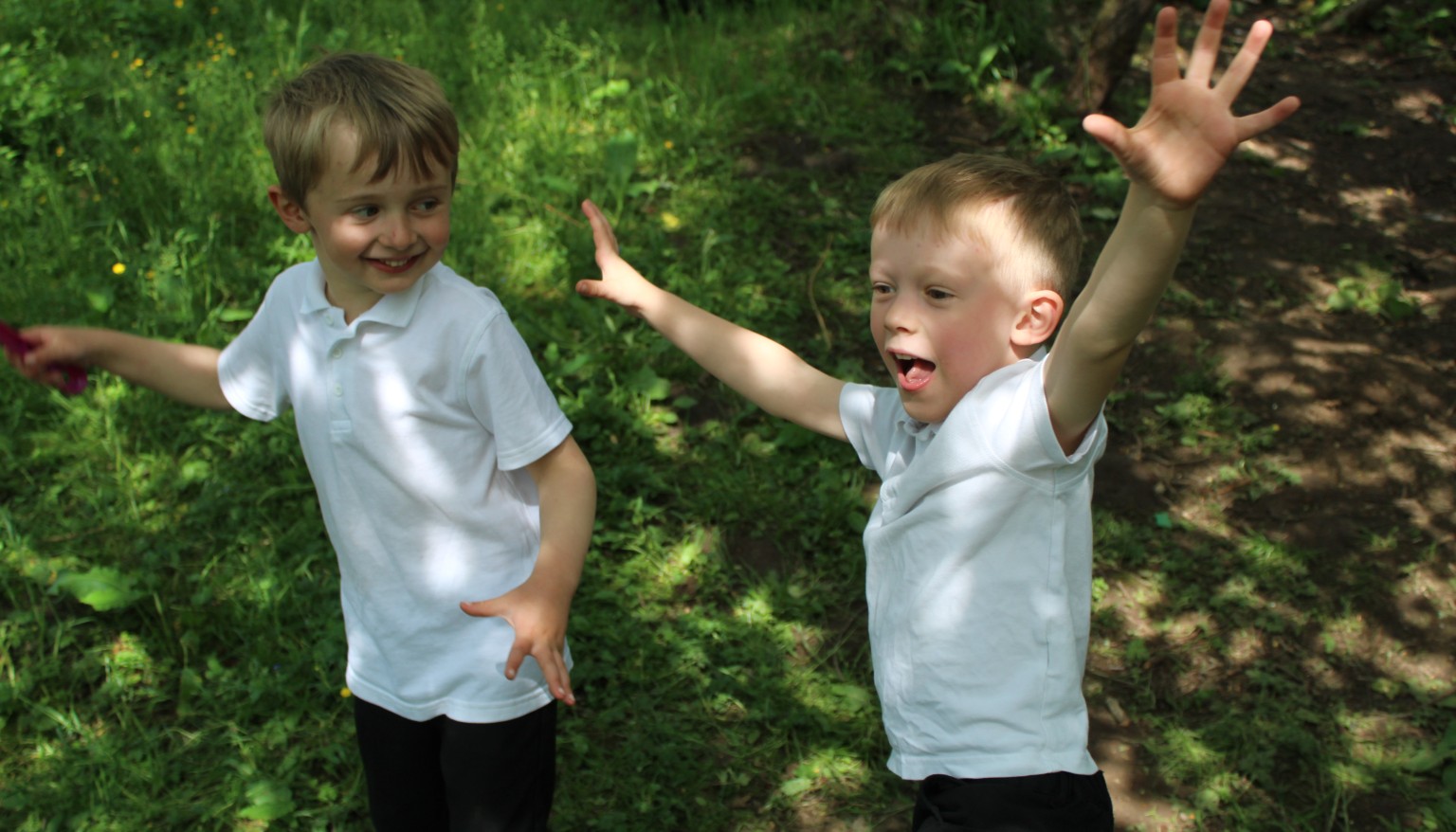
  • Two children with arms in the air excited
Kielder Primary School and Nursery Logo
  • Our School
    Headteacher's Welcome
    History
    Our Values
    Thrive and Excel @ Kielder Framework
    Personal Development and Wellbeing
    Mental Wellbeing
    North Tyne Schools Alliance
    Our School Song
    Meet Our Staff
    Work With Us
    School Council
    Eco Team
    School Day
    Governors
    Policies
    Policies
    Data Protection and Information Management
    Equalities
    Premiums
    Pupil Premium
    Sports Premium
    Our School
    Headteacher's Welcome
    History
    Our Values
    Thrive and Excel @ Kielder Framework
    Personal Development and Wellbeing
    Mental Wellbeing
    North Tyne Schools Alliance
    Our School Song
    Meet Our Staff
    Work With Us
    School Council
    Eco Team
    School Day
    Governors
    Policies
    Policies
    Data Protection and Information Management
    Equalities
    Premiums
    Pupil Premium
    Sports Premium
  • Curriculum
    Overview
    Subjects
    English
    Speaking and Listening
    Reading
    Reading
    Phonics
    Reading Comprehension
    Writing
    Spelling, Punctuation and Grammar (SPaG)
    Writing
    Mathematics
    Science
    Art and Design
    Computing
    Cultural Capital
    Design and Technology
    French
    Geography
    History
    Music
    Physical Education
    Religious Education
    PSHE/RSE
    Oracy
    Independent Enquiry Projects
    EYFS
    Remote Learning
    Enrichment
    Curriculum
    Overview
    Subjects
    English
    Speaking and Listening
    Reading
    Reading
    Phonics
    Reading Comprehension
    Writing
    Spelling, Punctuation and Grammar (SPaG)
    Writing
    Mathematics
    Science
    Art and Design
    Computing
    Cultural Capital
    Design and Technology
    French
    Geography
    History
    Music
    Physical Education
    Religious Education
    PSHE/RSE
    Oracy
    Independent Enquiry Projects
    EYFS
    Remote Learning
    Enrichment
  • Safeguarding
    Safeguarding
    Online Safety
    Safeguarding
    Safeguarding
    Online Safety
  • Parents
    Admissions
    After-School Activities
    Attendance
    Benchmarking
    DfE Information and Performance Tables
    Home-School Agreement
    Inspection
    Letters
    Parent View
    Rewards and Recognition
    School Lunches
    SEND
    Term Dates
    Uniform
    Parents
    Admissions
    After-School Activities
    Attendance
    Benchmarking
    DfE Information and Performance Tables
    Home-School Agreement
    Inspection
    Letters
    Parent View
    Rewards and Recognition
    School Lunches
    SEND
    Term Dates
    Uniform
  • News
    July 2025
    Newsletter - Summer 2025
    April 2025
    Newsletter - Spring 2025
    December 2024
    Newsletter - Autumn 2024
    July 2024
    Newsletter - Summer 2024
    March 2024
    Newsletter - Spring 2024
    December 2023
    Newsletter - Autumn 2023
    July 2023
    Newsletter - Summer 2023
    March 2023
    Newsletter - Spring 2023
    News
    July 2025
    Newsletter - Summer 2025
    April 2025
    Newsletter - Spring 2025
    December 2024
    Newsletter - Autumn 2024
    July 2024
    Newsletter - Summer 2024
    March 2024
    Newsletter - Spring 2024
    December 2023
    Newsletter - Autumn 2023
    July 2023
    Newsletter - Summer 2023
    March 2023
    Newsletter - Spring 2023
  • Contact
  • Calendar

This website uses Google Translate

You cannot use this feature without first accepting 3rd Party Cookies.
Allow 3rd Party Cookies

This website uses Google Translate

You cannot use this feature without first accepting 3rd Party Cookies.
Allow 3rd Party Cookies

Art and Design

Curriculum

Overview
Subjects
English
Speaking and Listening
Reading
Reading
Phonics
Reading Comprehension
Writing
Spelling, Punctuation and Grammar (SPaG)
Writing
Mathematics
Science
Art and Design
Computing
Cultural Capital
Design and Technology
French
Geography
History
Music
Physical Education
Religious Education
PSHE/RSE
Oracy
Independent Enquiry Projects
EYFS
Remote Learning
Enrichment

Intent

At Kielder Primary School and Nursery, our Art & Design curriculum is designed to provide a rich, ambitious and inclusive creative education that nurtures creativity, develops technical skill and builds pupils’ understanding and appreciation of art, craft and design. We aim to develop pupils as confident, thoughtful and articulate artists who can express ideas, refine techniques and evaluate their own and others’ work with increasing accuracy and sophistication.

Our curriculum is carefully designed to ensure that pupils build both substantive knowledge (understanding of artists, styles, cultural contexts and visual concepts) and disciplinary knowledge (the practical skills, techniques and processes used to create and evaluate art). This includes a strong emphasis on progression in drawing, painting, sculpture, printmaking, textiles, digital media and mixed media.

A distinctive strength of our Art & Design curriculum is its clear progression in artistic skills, knowledge and vocabulary, from KS1 through to upper KS2. Pupils are taught to use increasingly precise artistic language and to apply techniques with greater control, independence and critical awareness over time.

Our Art & Design curriculum aligns closely with the Thrive and Excel @ Kielder Framework by developing pupils’ creativity, communication, confidence, resilience, reflection and innovation. Pupils are encouraged to take creative risks, reflect on feedback, persevere with challenging techniques and articulate their artistic choices, supporting both wellbeing and academic development.


Implementation

Our Art & Design curriculum is delivered through carefully sequenced units, based broadly on Cornerstones and enhanced by our bespoke progression frameworks. Each unit clearly sets out:

  • Core knowledge that all pupils are expected to learn and remember.

  • Key vocabulary, including both Tier 2 disciplinary vocabulary (e.g. line, tone, texture, composition, perspective) and Tier 3 topic-specific vocabulary (e.g. monoprint, calligraphy, symmetry, collage), which is explicitly taught, revisited and applied.

  • Progressive ‘I can’ statements that show increasing technical skill, independence and evaluative thinking across year groups.

  • Planned opportunities to practise, refine and evaluate artistic techniques within every unit.

This structure is clearly evidenced in both the KS1 and KS2 Art & Design curriculum documents, which set out coherent progression in skills, knowledge and vocabulary across cycles.


Curriculum Structure, Sequencing and Mixed-Age Design

Units are mapped across KS1 and KS2 to ensure full coverage of the National Curriculum without unnecessary repetition. Knowledge and skills are revisited and built upon so that pupils make meaningful connections between techniques, concepts and artistic styles over time.

In our mixed-age classes, progression is secured through:

  • Clear year-group-specific expectations within the same unit.

  • Progressive ‘I can’ statements that show increasing complexity, control and independence.

  • Long-term curriculum mapping that ensures pupils encounter and revisit key artistic concepts and techniques in a logical sequence.

This ensures that learning is matched to pupils’ stage of development, rather than simply their chronological age, and that individual pupils build securely on prior learning across curriculum cycles.


Skills Progression and Technical Mastery

Across the school, pupils develop progressively in:

  • Drawing (line, tone, proportion, perspective, observation)

  • Painting (colour mixing, brush control, layering, mood and atmosphere)

  • Sculpture and 3D work (form, structure, joining, texture, refinement)

  • Printmaking and textiles (pattern, repetition, texture, fabric and stitch)

  • Digital media (composition, layering, manipulation, light and contrast)

  • Use of sketchbooks to record, develop, refine and reflect on ideas

Expectations increase from KS1, where pupils explore basic techniques and materials, to upper KS2, where pupils refine control, evaluate artistic choices and apply techniques with increasing independence and purpose.


Vocabulary Progression and Artistic Language

A key strength of our Art & Design curriculum is the explicit and structured progression in vocabulary.

Across KS1 and KS2, pupils are taught to use:

  • Tier 2 disciplinary vocabulary (e.g. line, shape, tone, texture, composition, perspective, proportion, scale), which supports understanding of how art works.

  • Tier 3 topic-specific vocabulary, which varies by unit (e.g. monoprint, calligraphy, collage, symmetry, exoskeleton), enabling pupils to talk precisely about specific techniques and themes.

Progression frameworks clearly set out how pupils move from recognising and naming in KS1, to explaining, analysing, justifying and evaluating using precise artistic language in upper KS2. This ensures that pupils do not simply “do art”, but learn to think, talk and reflect like artists, using increasingly sophisticated vocabulary.


Teaching and Learning

Teaching and learning in Art & Design at Kielder Primary School and Nursery is carefully planned to ensure that pupils develop both technical skill and artistic understanding over time. Teachers explicitly model techniques and processes, enabling pupils to practise, revisit and refine skills so that learning is embedded and builds progressively.

Pupils are introduced to a wide range of artists, styles and cultural traditions, building cultural capital and helping them to make meaningful connections between their own work and the wider world of art.

Pupils are encouraged to experiment, make creative choices and develop their own artistic voice. Purposeful feedback supports pupils to reflect on their work, improve outcomes and build resilience and confidence, in line with our TEK Framework.

Structured talk and reflection are integral to lessons, enabling pupils to describe, explain and evaluate artwork using appropriate artistic vocabulary. In mixed-age classes, teaching is carefully adapted to ensure appropriate challenge and support, so that all pupils make strong progress from their individual starting points.


Assessment, Proof of Progress (POP) and Inclusion

Assessment in Art & Design focuses on both knowledge and skill development. This includes:

  • Ongoing formative assessment through observation, discussion and review of work.

  • End-of-unit Proof of Progress (POP) tasks, which provide evidence of what pupils know, can do and can explain.

  • Use of sketchbooks and final outcomes to show progression in technique, control and evaluative thinking.

POP tasks are used to identify strengths, gaps and next steps, allowing teachers to adapt teaching, revisit key techniques and vocabulary, and provide appropriate support or challenge.

SEND pupils are supported through careful scaffolding, adapted tools and materials, and pre-teaching of vocabulary, ensuring access to the same ambitious curriculum and enabling all pupils to succeed creatively.


Impact

The impact of our Art & Design curriculum is seen in pupils who:

  • Demonstrate increasing technical skill and control across a range of artistic media.

  • Use artistic and topic-specific vocabulary accurately when speaking and writing about art.

  • Can analyse, evaluate and justify artistic choices using appropriate language.

  • Show creativity, originality and confidence in expressing ideas visually.

  • Demonstrate resilience and perseverance when refining and improving their work.

  • Develop cultural awareness and appreciation of art from different times, places and traditions.

Assessment information, POP tasks, pupils’ work, sketchbooks, discussions and lesson observations demonstrate that learning builds securely over time and that pupils are developing both strong substantive knowledge and increasingly secure disciplinary understanding in Art & Design.

Through our Art & Design curriculum, pupils leave Kielder Primary School and Nursery as confident, reflective and articulate young artists who are well prepared for the next stage of education. They demonstrate the TEK Framework competencies of creativity, communication, resilience, reflection and innovation, enabling them to engage positively with the arts and express themselves with confidence and purpose.

What do our pupils learn in Art & Design?
Kielder Primary School and Nursery
All rights reserved. 2026
  • Operation Endeavour
  • LTA Trained Teacher
  • Teachmate AI
  • Primary Computing PD 2024-25
  • PSHE
  • Cornerstones
  • Newcastle FC
  • V21 Oracy School
  • Helen Hamlyn Centre for Pedagogy
  • Healthy School
  • Ofsted Outstanding Provider
  • Operation Encompass
  • Eco Schools USE
  • Music Mark
  • Spelling Shed
  • Read, Write Inc Phonics
  • White Rose Maths Host School
  • School Games Platinum 2021/22 - 2022/23
  • Northumberland County Council
Policies and
Accessibility Statement
eSchools - Making Schools Click
Log in
​