This website uses Google Translate
You cannot use this feature without first accepting 3rd Party Cookies.
This website uses Google Translate
You cannot use this feature without first accepting 3rd Party Cookies.
You cannot use this feature without first accepting 3rd Party Cookies.
You cannot use this feature without first accepting 3rd Party Cookies.
At Kielder Primary School and Nursery, oracy is a core driver of learning, wellbeing and inclusion. We are committed to ensuring that every child develops the confidence, skill and self-belief to express themselves clearly, listen with respect and participate fully in school life. We believe that finding and using one’s voice is fundamental to academic success, positive relationships and lifelong opportunity.
Guided by our work with Voice21, oracy is embedded as a whole-school priority and a key element of our curriculum design. Our approach ensures that pupils do not simply learn to speak, but learn through talk. Oracy is used as a tool to deepen understanding, support reasoning, build vocabulary and strengthen thinking across all subjects.
Our commitment to oracy supports equity and inclusion. We actively work to ensure that all pupils — regardless of background, confidence or starting point — are supported to participate, be heard and develop as confident communicators. Oracy plays a vital role in developing pupils’ confidence, resilience, empathy and sense of belonging, in line with our Thrive and Excel @ Kielder Framework.
Oracy is explicitly taught, deliberately planned for and embedded across the curriculum and wider school life. Our work is guided by the Voice21 Oracy Framework, which develops pupils across four interrelated strands: physical, linguistic, cognitive and social-emotional communication.
We strengthen oracy through:
Explicit teaching of oracy skills: Pupils are taught how to speak audibly and clearly, structure ideas, use subject-specific vocabulary, reason aloud and engage in purposeful dialogue.
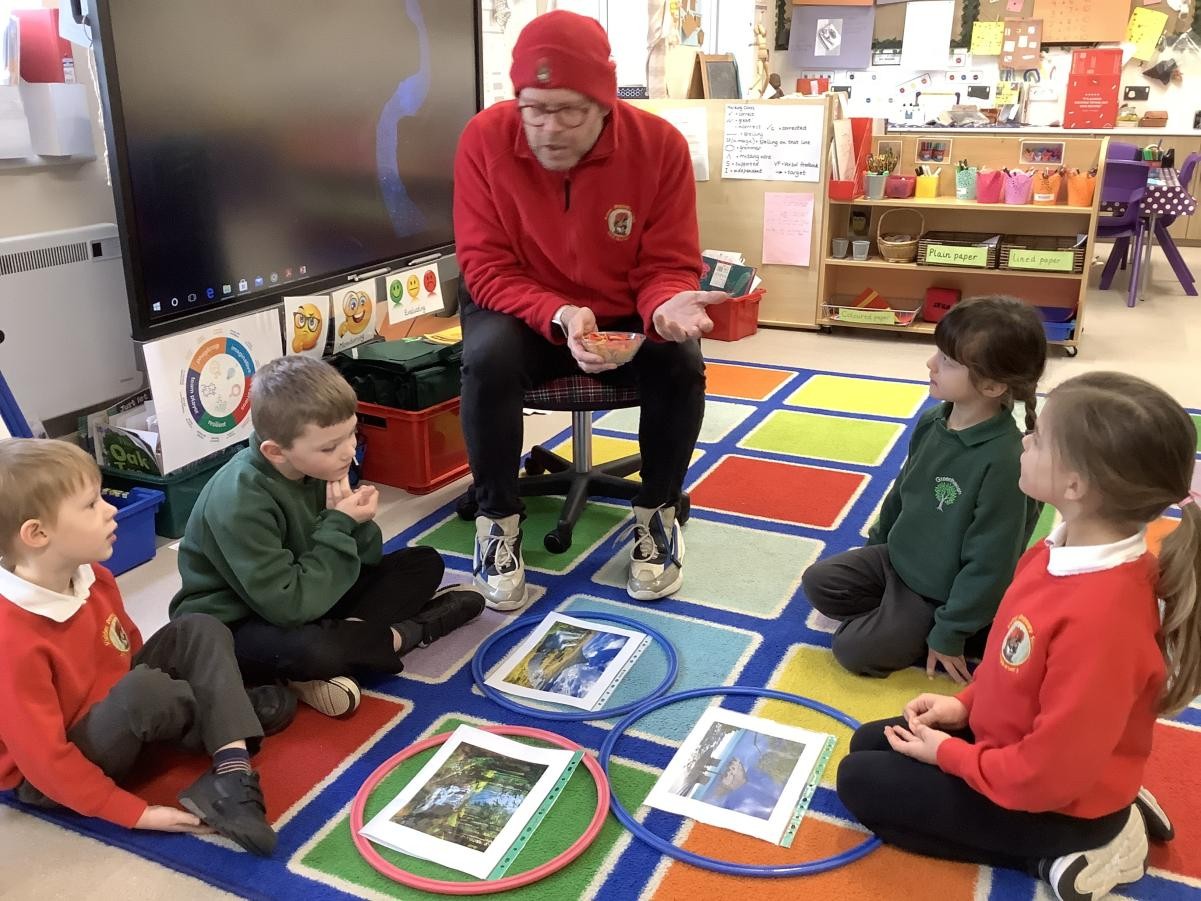
Consistent modelling by adults: Staff model high-quality talk, active listening and respectful discussion, setting clear expectations for how communication supports learning and relationships.
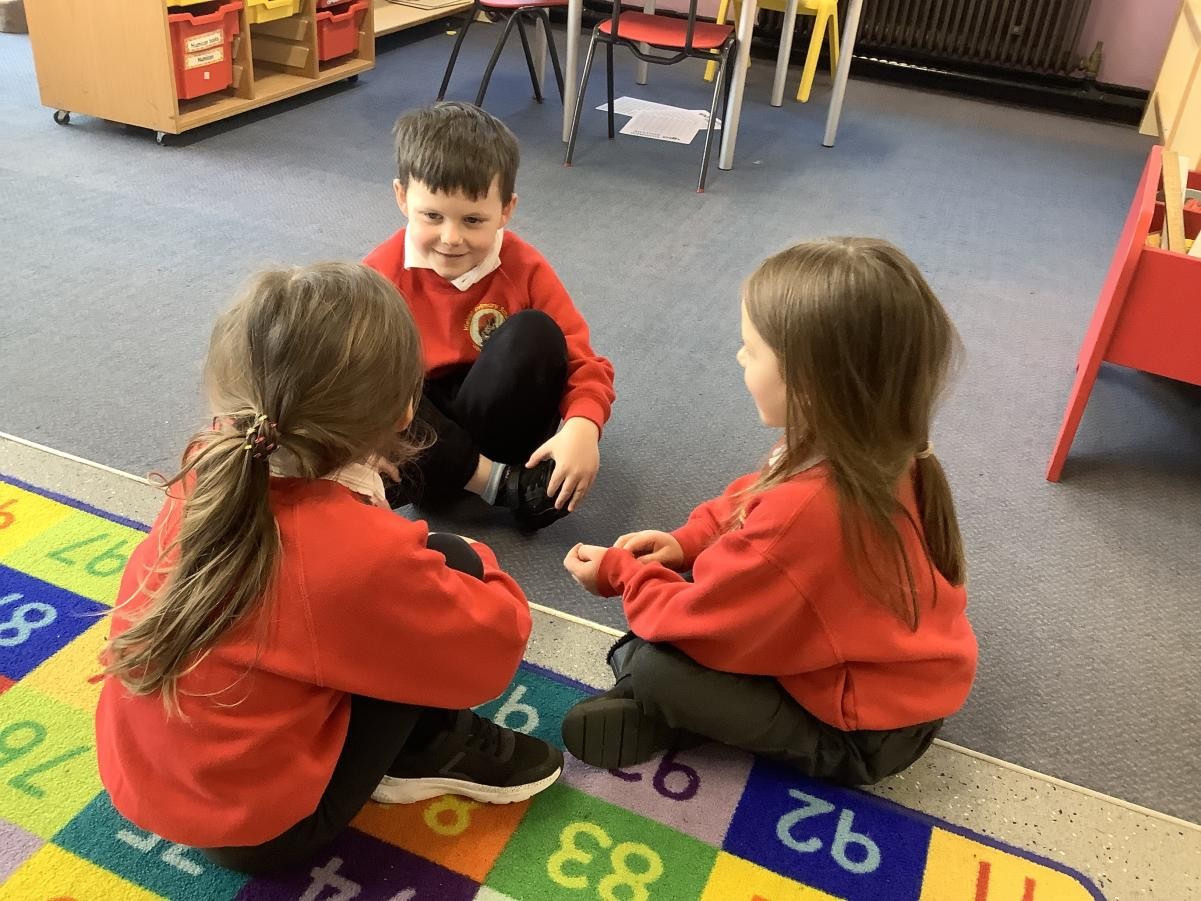
Planned opportunities for purposeful talk: Oracy is embedded within lessons through structured partner talk, group discussion, debate, storytelling, explanation, performance and presentation. Talk is used to support thinking, not simply as an add-on.
Talk-rich classroom environments: Classrooms are designed to promote discussion, with shared language, talk protocols and sentence stems supporting pupils to participate confidently and appropriately.
Reflection and feedback: Pupils are supported to reflect on how they communicate, respond to feedback and set personal goals to improve their speaking and listening skills.
Targeted support and inclusion: Pupils who find communication more challenging are supported through targeted strategies, additional scaffolding and carefully planned opportunities to build confidence and fluency.
Oracy is strategically led and sustained across the school. Mr Ferris is the Oracy Lead, supported by Miss Dryden as Oracy Champion. The school has worked with Voice21 for over two years to strengthen practice, develop staff expertise and embed oracy consistently across all phases and subjects.
The impact of our Oracy provision is seen in pupils who:
Speak with increasing clarity, confidence and purpose in a range of contexts.
Listen attentively and respond thoughtfully, demonstrating respect and empathy.
Use talk to reason, explain, clarify thinking and deepen understanding across the curriculum.
Apply subject-specific vocabulary accurately when discussing learning.
Participate actively in group work, debate and collaborative problem-solving.
Show resilience and self-belief when expressing ideas and responding to challenge.
Transition to the next stages of education as confident, capable and articulate communicators.
By prioritising oracy as a core element of our school culture, Kielder Primary School and Nursery ensures that pupils leave as confident speakers, thoughtful listeners and active participants in their learning and communities. Our approach empowers every child to have a voice, to be heard and to use communication as a powerful tool for success in school and in life.