You cannot use this feature without first accepting 3rd Party Cookies.
At Kielder Primary School and Nursery, History is taught to help pupils understand how the past has shaped the world they live in today. Our curriculum is designed to develop knowledgeable, curious and reflective historians who can place events in context, understand change over time and explain why people, events and developments were significant.
We aim for pupils to gain a strong sense of chronology, from early prehistory through to modern British and global history. Pupils develop a secure understanding of key periods, people and civilisations, alongside the disciplinary skills needed to ask historical questions, evaluate evidence and construct increasingly well-reasoned interpretations of the past.
A distinctive strength of our History curriculum is its clear progression in historical knowledge, thinking and vocabulary, from KS1 through to upper KS2. Pupils are explicitly taught how to use historical language to describe, explain, analyse and evaluate, enabling them to talk and write about the past with increasing precision and confidence.
History at Kielder also plays a vital role in developing pupils’ cultural capital. Through a broad and balanced curriculum, pupils study local, British and global history, including early civilisations, medieval and modern Britain, and non-European societies. This ensures that pupils gain a rich understanding of different cultures, identities and perspectives, and how these have shaped the world.
Our History curriculum aligns closely with our Thrive and Excel @ Kielder Framework by developing pupils’ communication, critical thinking, resilience, reflection and respect for others. Pupils are encouraged to question, debate, justify ideas and reflect on different interpretations of the past, supporting both academic and personal development.
Our History curriculum is delivered through carefully sequenced units across KS1 and KS2, ensuring full coverage of the National Curriculum and a coherent journey through time.
Each unit clearly sets out:
Core historical knowledge that all pupils are expected to learn and remember.
Key vocabulary, including Tier 2 disciplinary vocabulary (e.g. chronology, cause, consequence, continuity, change, evidence, significance, interpretation) and Tier 3 topic-specific vocabulary linked to each historical period.
Progressive ‘I can’ statements that show increasing historical understanding, independence and analytical thinking across year groups.
Planned opportunities to use historical sources, including artefacts, images, written accounts and secondary sources.
This structure is clearly evidenced in both the KS1 and KS2 History curriculum documents, which set out coherent progression in knowledge, skills and vocabulary across all cycles.
History at Kielder is carefully mapped to give pupils a clear and cumulative understanding of the past. From KS1 units on toys, childhood, monarchs and significant individuals, pupils develop early chronological awareness and understanding of change within and beyond living memory.
In KS2, pupils move through a broadly chronological curriculum, from prehistoric Britain and Roman Britain, through Anglo-Saxons, Vikings and medieval England, to the Tudors, Industrial Revolution and Victorian Britain. This is complemented by thematic studies and rich local history units, ensuring that pupils can see both continuity and change over long periods of time.
In mixed-age classes, progression is secured through:
Clear year-group-specific expectations within the same unit.
Progressive ‘I can’ statements that show increasing depth, complexity and use of evidence.
Long-term curriculum mapping that ensures pupils revisit and build on key concepts such as invasion, power, settlement, culture and governance.
This ensures that learning is matched to pupils’ stage of development and that individual pupils build securely on prior learning across curriculum cycles.
A defining feature of History at Kielder is the explicit and structured progression in how pupils use historical language and thinking.
Across KS1 and KS2, pupils develop:
A secure understanding of chronology, using timelines to place events and periods in order.
Increasing ability to explain cause and consequence, and to identify continuity and change.
Growing understanding of historical significance, including why certain people, events and developments are remembered.
Confident use of Tier 2 disciplinary vocabulary to talk about how history works (e.g. evidence, interpretation, civilisation, rebellion, democracy, empire).
Accurate use of Tier 3 topic-specific vocabulary to explain particular periods, societies and events.
Progression frameworks clearly show how pupils move from recognising and describing in KS1, to explaining, analysing, justifying and evaluating interpretations in upper KS2. This ensures that pupils do not simply learn facts, but learn to think, talk and reason like historians.
Teaching and learning in History at Kielder Primary School and Nursery is enquiry-led, discussion-rich and rooted in meaningful historical questions. Lessons are designed to build curiosity, explicitly teach key knowledge and vocabulary, and support pupils to explore the past through evidence, sources and interpretation.
Teachers model historical thinking, supporting pupils to ask questions, analyse sources, compare viewpoints and construct explanations. Pupils are encouraged to debate, justify ideas and reflect on different interpretations, developing confidence, resilience and critical thinking in line with the TEK Framework.
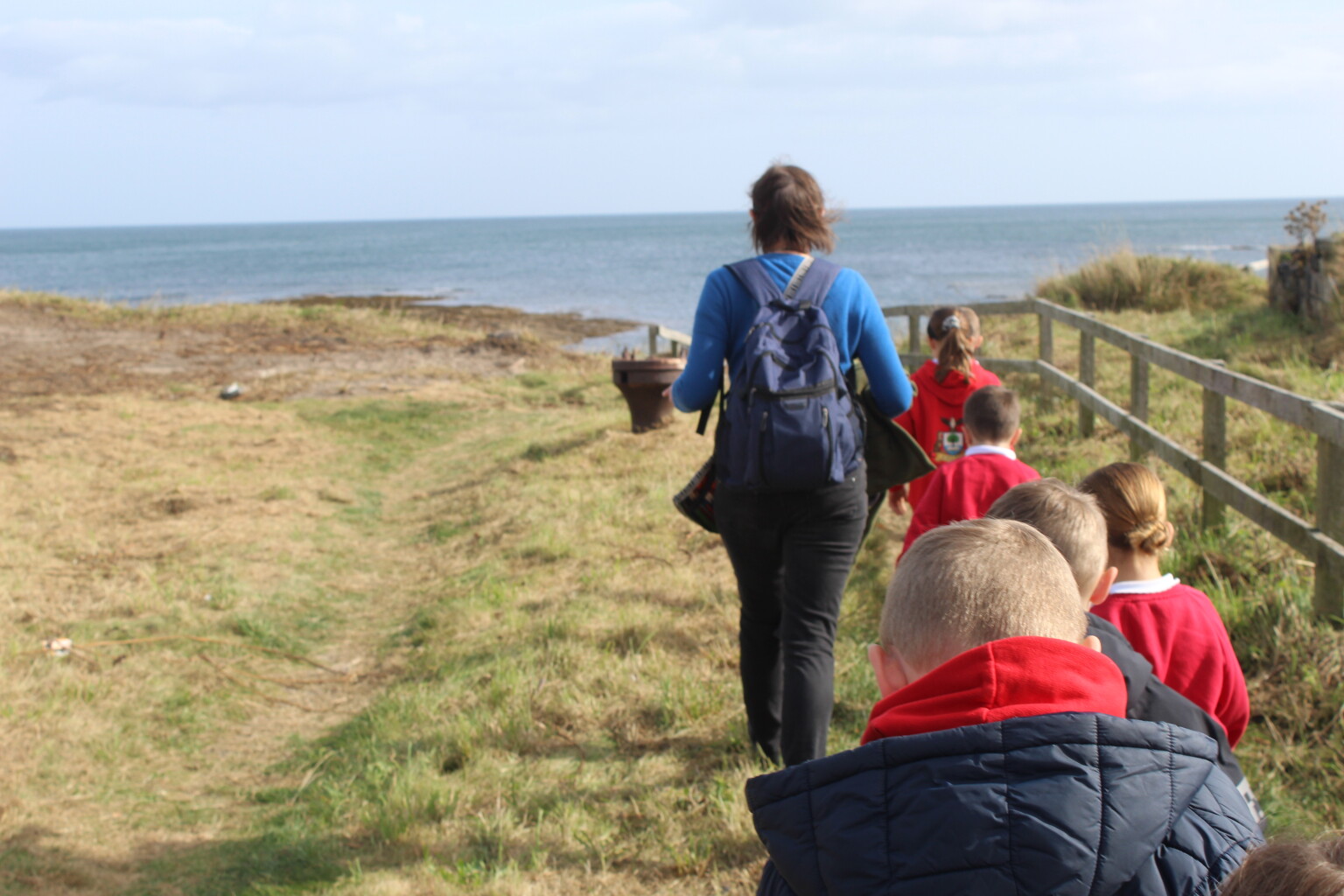
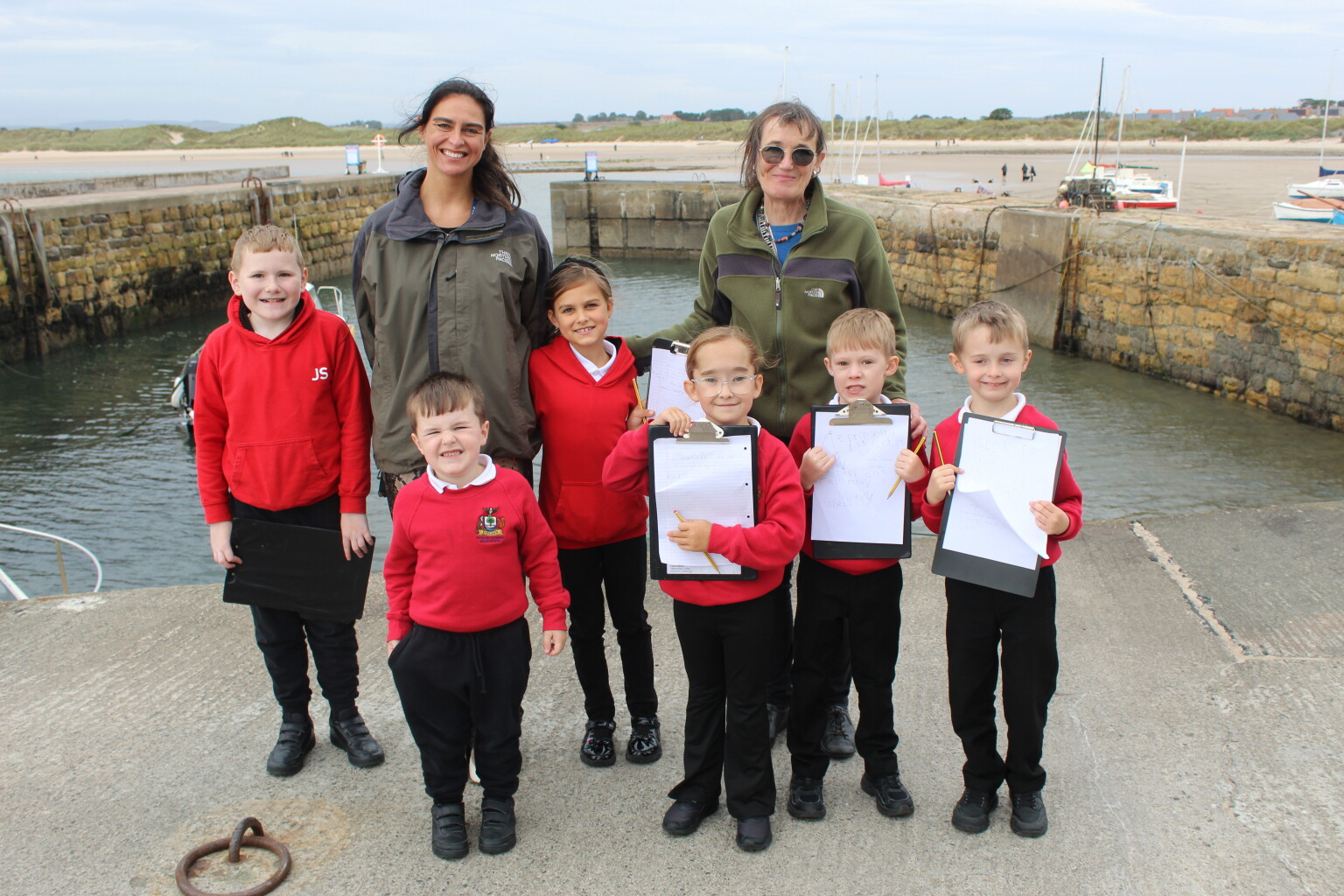
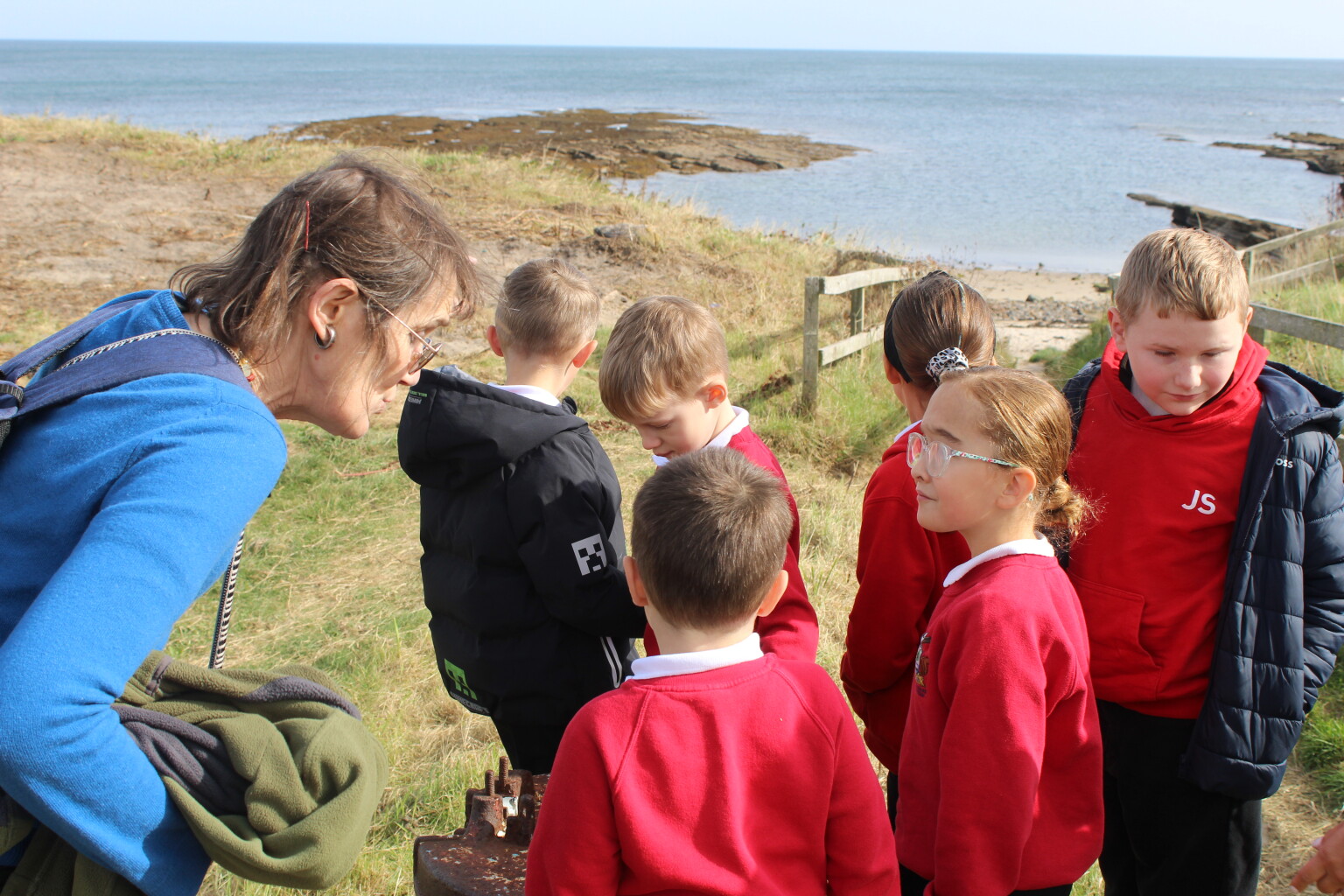
Local history is a particular strength. Pupils study Northumberland’s castles, border conflicts and regional heritage, helping them to understand how national and global events shaped their local area. This deepens pupils’ sense of place and strengthens connections between history and their own lives.
In mixed-age classes, teaching is carefully adapted to ensure appropriate challenge and support, enabling all pupils to make strong progress from their individual starting points.
Assessment in History focuses on both historical knowledge and disciplinary understanding. This includes:
Ongoing formative assessment through questioning, discussion and review of work.
End-of-unit Proof of Progress (POP) tasks, which provide evidence of what pupils know, can explain and can apply historically.
Use of written outcomes, timelines, source analysis and presentations to show progression in historical thinking.
POP tasks are used to identify strengths, gaps and next steps, allowing teachers to revisit key concepts and vocabulary, address misconceptions and provide appropriate support or challenge.
SEND pupils are supported through careful scaffolding, adapted resources and pre-teaching of vocabulary, ensuring access to the same ambitious curriculum and enabling all pupils to succeed as historians.
The impact of our History curriculum is seen in pupils who:
Develop a secure and coherent understanding of British, local and world history.
Use historical vocabulary accurately and confidently when speaking and writing.
Can explain causes, consequences, continuity and change across different periods.
Evaluate the significance of people, events and developments.
Use evidence to justify ideas and explore different historical interpretations.
Show curiosity about the past and confidence in asking historical questions.
Make meaningful links between local, national and global history.
Assessment information, POP tasks, pupils’ work, timelines, discussions and lesson observations demonstrate that learning builds securely over time and that pupils are developing both strong substantive knowledge and increasingly secure disciplinary understanding in History.
Through our History curriculum, pupils leave Kielder Primary School and Nursery as knowledgeable, thoughtful and reflective young historians. They demonstrate the TEK Framework competencies of communication, critical thinking, resilience, reflection and respect for others, and are well prepared for the demands of History at Key Stage 3 and for understanding their place in the story of the world.